

Hey there! I'm a supplier of PPR Brass Ball Valves, and I've seen my fair share of issues with sediment build-up in these valves. It's a common problem that can lead to all sorts of headaches, like reduced flow, valve malfunction, and even system failures. But don't worry, I'm here to share some tips on how to prevent sediment build-up in your PPR Brass Ball Valves.

Understanding the Problem
First things first, let's talk about why sediment builds up in the first place. Sediment can come from a variety of sources, including the water supply itself, corrosion of pipes, and debris from construction or maintenance work. When water flows through the valve, these particles can get trapped in the valve's internal components, gradually building up over time.
The build-up of sediment can cause several problems. It can restrict the flow of water, reducing the efficiency of your plumbing system. It can also cause the valve to stick or fail to open and close properly, leading to leaks or even complete system shutdowns. In some cases, sediment build-up can also cause corrosion and damage to the valve, shortening its lifespan.
Prevention Strategies
Now that we understand the problem, let's talk about how to prevent sediment build-up in your PPR Brass Ball Valves. Here are some strategies that I recommend:
1. Install a Sediment Filter
One of the most effective ways to prevent sediment build-up is to install a sediment filter upstream of the valve. A sediment filter is designed to remove particles and debris from the water before it reaches the valve. There are several types of sediment filters available, including cartridge filters, spin-down filters, and bag filters. Choose a filter that is appropriate for the size and type of particles you need to remove, as well as the flow rate of your plumbing system.
2. Use a Water Softener
If your water supply is hard, it can contain high levels of minerals such as calcium and magnesium. These minerals can form scale deposits on the inside of the valve, which can lead to sediment build-up. Using a water softener can help to reduce the hardness of the water and prevent scale formation. A water softener works by removing the minerals from the water using an ion exchange process.
3. Regular Maintenance
Regular maintenance is essential for preventing sediment build-up in your PPR Brass Ball Valves. This includes inspecting the valve regularly for signs of wear and tear, cleaning the valve periodically to remove any sediment or debris, and lubricating the valve's moving parts to ensure smooth operation. You should also replace any worn or damaged parts as soon as possible to prevent further damage to the valve.
4. Flush the System
Flushing the plumbing system periodically can help to remove any sediment or debris that has accumulated in the pipes and valves. To flush the system, simply turn on all the faucets and let the water run for several minutes. This will help to dislodge any sediment and flush it out of the system. You can also use a pressure washer or a plumbing snake to clean the pipes and valves more thoroughly.
5. Choose the Right Valve
When selecting a PPR Brass Ball Valve, it's important to choose a valve that is designed to resist sediment build-up. Look for valves that have smooth internal surfaces and minimal crevices or pockets where sediment can accumulate. You should also choose a valve that is made from high-quality materials that are resistant to corrosion and wear.
Our Product Range
As a supplier of PPR Brass Ball Valves, we offer a wide range of products that are designed to meet the needs of our customers. Our valves are made from high-quality materials and are designed to resist sediment build-up and corrosion. We also offer a variety of sizes and configurations to ensure that we have the right valve for your application.
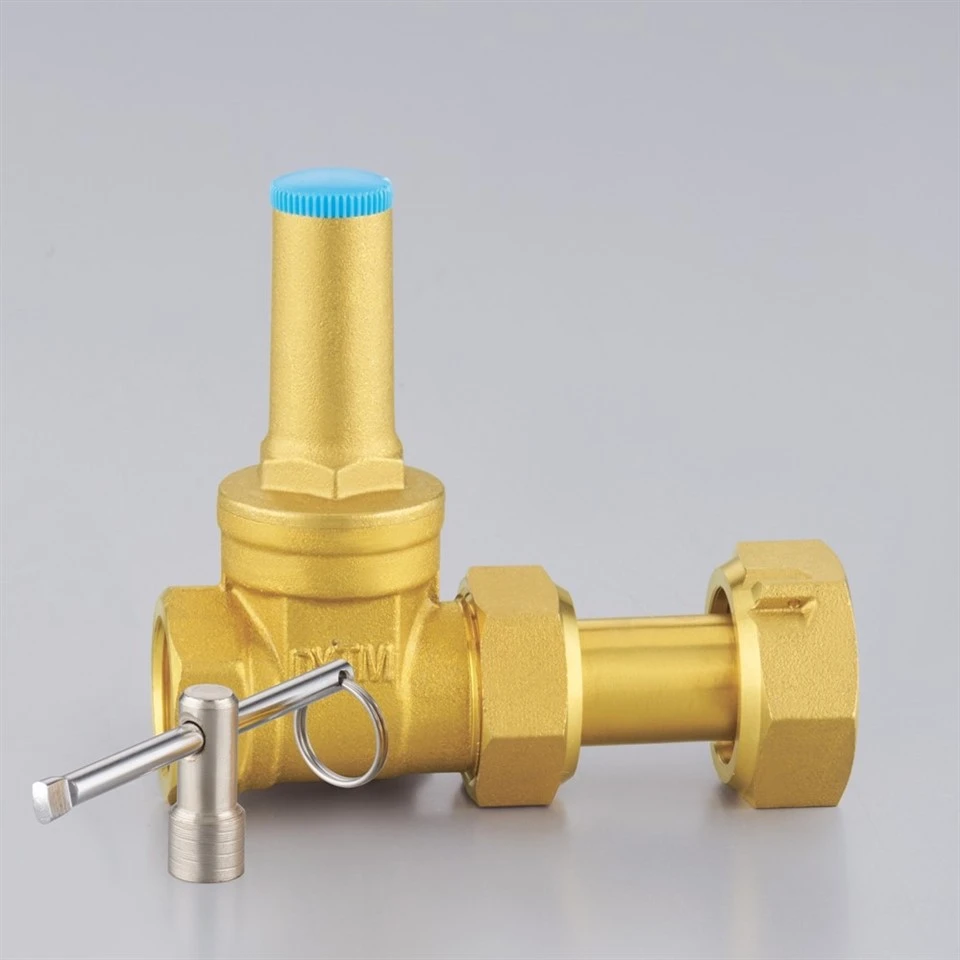
In addition to our PPR Brass Ball Valves, we also offer a range of other valve products, including Lock HPb 59-1 Brass Gate Valve, Magnetic Lock Pre-meter Brass Gate Valve, and Full-opening Brass Gate Valve. These valves are also designed to provide reliable performance and are suitable for a variety of applications.
Conclusion
Preventing sediment build-up in your PPR Brass Ball Valves is essential for ensuring the reliable performance and longevity of your plumbing system. By following the strategies outlined in this blog post, you can reduce the risk of sediment build-up and keep your valves working properly for years to come.
If you're interested in learning more about our PPR Brass Ball Valves or our other valve products, please don't hesitate to contact us. We'd be happy to answer any questions you may have and help you find the right valve for your application. Let's start a conversation and see how we can work together to meet your valve needs.
References
- "Plumbing Handbook" by John Doe
- "Water Treatment Basics" by Jane Smith
- "Valve Selection Guide" by ABC Valves Inc.


