

As a supplier of Combination Gas Valves, I've often been asked about the various components and their functions. One question that frequently comes up is about the purpose of the vent port in a combination gas valve. In this blog post, I'll delve into the details of this crucial feature and explain why it's so important.
Understanding the Basics of a Combination Gas Valve
Before we discuss the vent port, let's briefly review what a combination gas valve is. A combination gas valve is a critical component in gas - fired appliances such as furnaces, water heaters, and boilers. It serves multiple functions, including controlling the flow of gas to the burner, regulating the gas pressure, and providing safety shut - off mechanisms in case of abnormal conditions.
Combination gas valves are designed to ensure the safe and efficient operation of gas appliances. They are typically made up of several parts, including a main valve, a pilot valve, a pressure regulator, and safety devices like a flame sensor or a thermocouple.
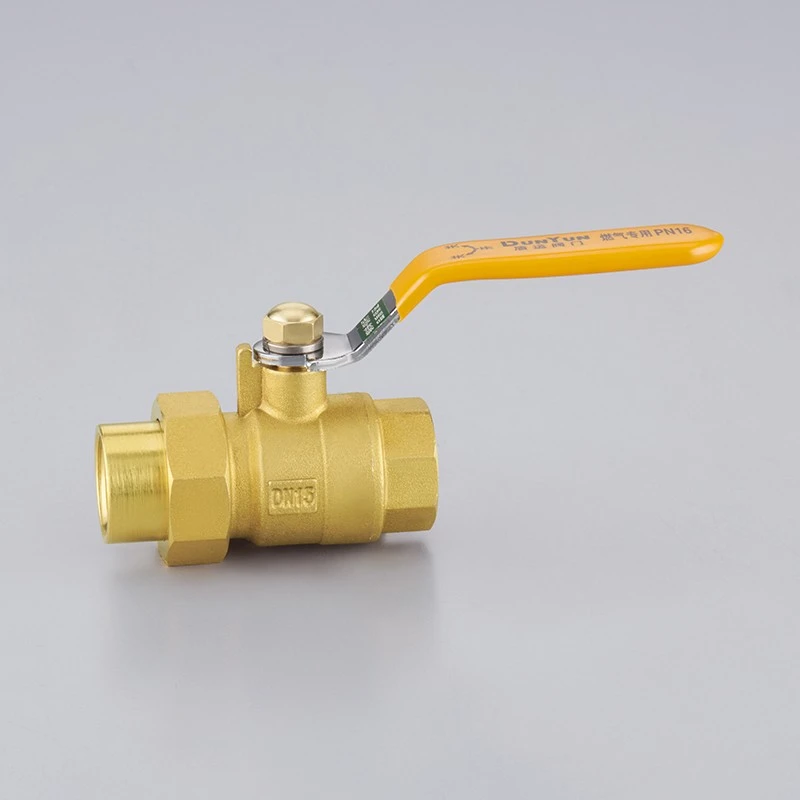

The Role of the Vent Port
The vent port in a combination gas valve plays a vital role in maintaining the proper functioning and safety of the valve and the entire gas appliance. Here are some of the key purposes of the vent port:
1. Pressure Relief
One of the primary functions of the vent port is to relieve excess pressure within the gas valve. Gas pressure can fluctuate due to various factors, such as changes in the gas supply, temperature variations, or blockages in the gas line. If the pressure inside the valve becomes too high, it can cause damage to the valve components, leading to leaks or even explosions.
The vent port provides a pathway for the excess gas to escape safely. When the pressure exceeds a certain threshold, the gas is released through the vent port, preventing any potential damage to the valve and the appliance. This is especially important in high - pressure situations where the normal gas flow control mechanisms may not be sufficient to handle the pressure.
2. Purge of Air and Impurities
During the installation or maintenance of a gas appliance, air and other impurities can enter the gas valve. These impurities can include dust, dirt, or moisture, which can interfere with the proper operation of the valve. The vent port allows for the purging of this air and impurities from the valve.
When the gas valve is first opened or during a maintenance procedure, the gas flowing through the valve can push the air and impurities out through the vent port. This ensures that only clean gas reaches the burner, improving the efficiency and reliability of the appliance.
3. Safety in Case of Valve Failure
In the event of a valve failure, such as a stuck valve or a malfunctioning diaphragm, the vent port acts as a safety measure. If the valve fails to close properly, gas can continue to flow into the appliance, creating a dangerous situation. The vent port allows the gas to escape in a controlled manner, reducing the risk of a gas buildup and potential explosion.
For example, if the main valve in the combination gas valve fails to close, the excess gas can be vented through the vent port, preventing the gas from accumulating in the appliance or the surrounding area.
Types of Vent Ports
There are different types of vent ports used in combination gas valves, each designed to meet specific requirements. Some vent ports are simple openings in the valve body, while others are equipped with additional features such as filters or check valves.
Simple Vent Ports
Simple vent ports are basic openings that allow gas to escape when the pressure inside the valve exceeds a certain level. These vent ports are often used in smaller gas appliances where the risk of high - pressure situations is relatively low. They are easy to manufacture and maintain, but they may not provide the same level of protection as more advanced vent port designs.
Filtered Vent Ports
Filtered vent ports are equipped with a filter that prevents dust, dirt, and other particles from entering the vent port. This helps to keep the vent port clear and ensures that it functions properly. Filtered vent ports are commonly used in industrial applications or in areas where the gas supply may contain a high level of impurities.
Check Valve Vent Ports
Check valve vent ports are designed to allow gas to flow out of the valve but prevent gas from flowing back in. This is important in situations where the gas pressure outside the valve may be higher than the pressure inside the valve. The check valve ensures that the vent port functions as a one - way valve, providing an additional layer of safety.
Importance in Different Gas Valve Types
The vent port is an essential feature in all types of combination gas valves, including Right - angle Gas Valve, Gas Butterfly Valve, and Universal Gas Valve.
In right - angle gas valves, the vent port helps to relieve pressure and purge air in a compact design. These valves are often used in applications where space is limited, and the vent port ensures that the valve can operate safely in such environments.
Gas butterfly valves, which are known for their quick - acting and efficient flow control, also rely on the vent port for pressure relief and safety. The vent port helps to prevent any pressure - related issues that could affect the performance of the butterfly valve.
Universal gas valves, which are designed to be used in a wide range of gas appliances, require a reliable vent port to ensure compatibility and safety across different applications. The vent port in a universal gas valve must be able to handle various gas pressures and flow rates, making it a critical component for the valve's overall performance.
Ensuring the Proper Functioning of the Vent Port
To ensure that the vent port in a combination gas valve functions properly, regular maintenance and inspection are essential. Here are some tips for maintaining the vent port:
- Keep it Clean: Regularly clean the vent port to remove any dust, dirt, or debris that may accumulate over time. A clogged vent port can prevent the proper release of excess pressure and air, leading to potential safety issues.
- Check for Damage: Inspect the vent port for any signs of damage, such as cracks or corrosion. Damaged vent ports may not function correctly and should be replaced immediately.
- Test the Pressure Relief Function: Periodically test the pressure relief function of the vent port to ensure that it operates within the specified pressure range. This can be done using specialized pressure testing equipment.
Conclusion
The vent port in a combination gas valve is a small but crucial component that plays a significant role in the safety and efficiency of gas - fired appliances. It provides pressure relief, purges air and impurities, and acts as a safety measure in case of valve failure.
As a supplier of combination gas valves, we understand the importance of high - quality vent ports and ensure that all our valves are designed and manufactured to meet the highest safety standards. If you are in the market for combination gas valves or have any questions about the vent port or other valve components, we encourage you to contact us for a detailed discussion. Our team of experts is ready to assist you in finding the right gas valve solution for your specific needs.
References
- ASHRAE Handbook of Heating, Ventilating, and Air - Conditioning Systems and Equipment.
- NFPA 54 National Fuel Gas Code.
- Manufacturer's manuals for combination gas valves.


