Can a Thread Union Gas Filter be used in iodine gas systems?
Hey there! I'm a supplier of Thread Union Gas Filters, and I often get asked this question: Can a Thread Union Gas Filter be used in iodine gas systems? Well, let's dig into it and find out.
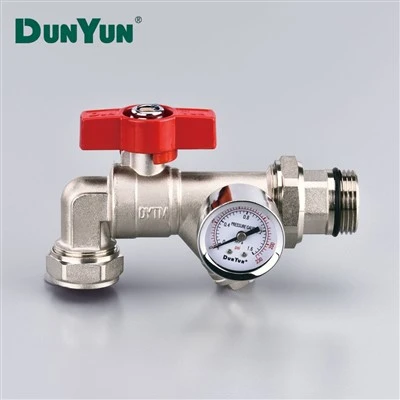
First off, let's talk about what a Thread Union Gas Filter is. It's a handy little device that's designed to remove impurities and contaminants from gas streams. It's got a threaded union connection, which makes it easy to install and remove. And it's used in a whole bunch of different applications, from industrial processes to residential heating systems.
Now, iodine gas is a bit of a tricky customer. It's a highly reactive and corrosive gas that can cause all sorts of problems if it's not handled properly. It can react with metals, plastics, and other materials, and it can also cause health problems if it's inhaled or comes into contact with the skin.
So, can a Thread Union Gas Filter be used in iodine gas systems? The answer is: it depends. It depends on a few different factors, like the type of filter, the materials it's made of, and the specific conditions of the iodine gas system.
Let's start by looking at the type of filter. There are different types of Thread Union Gas Filters available, each with its own set of features and capabilities. Some filters are designed to remove particulate matter, like dust and dirt, while others are designed to remove chemical contaminants, like sulfur compounds and volatile organic compounds (VOCs).
If you're dealing with iodine gas, you'll need a filter that's specifically designed to remove iodine and its compounds. Look for a filter that has a high efficiency rating for iodine removal, and make sure it's compatible with the other components of your iodine gas system.
Next, let's talk about the materials the filter is made of. Iodine gas is highly corrosive, so you'll need a filter that's made of materials that can withstand its corrosive effects. Stainless steel is a popular choice for iodine gas filters because it's resistant to corrosion and has good mechanical properties. Other materials that can be used include polypropylene, PTFE (Teflon), and ceramic.
When choosing a filter material, make sure it's compatible with the other materials in your iodine gas system. For example, if you're using a stainless steel filter, make sure it's compatible with the stainless steel pipes and fittings in your system. If you're using a plastic filter, make sure it's compatible with the chemicals and solvents that are present in your iodine gas system.
Another important factor to consider is the specific conditions of the iodine gas system. The temperature, pressure, and flow rate of the iodine gas can all affect the performance of the filter. Make sure the filter you choose is rated for the specific temperature, pressure, and flow rate of your iodine gas system.
For example, if your iodine gas system operates at high temperatures, you'll need a filter that can withstand those temperatures without losing its effectiveness. If your system operates at high pressures, you'll need a filter that can handle the pressure without bursting or leaking.
Now, let's talk about some of the benefits of using a Thread Union Gas Filter in an iodine gas system. One of the main benefits is that it can help to protect your equipment and your personnel from the harmful effects of iodine gas. By removing impurities and contaminants from the gas stream, the filter can prevent corrosion, fouling, and other problems that can damage your equipment and reduce its lifespan.
In addition, using a filter can help to improve the quality of the iodine gas that's being used in your system. By removing impurities and contaminants, the filter can ensure that the iodine gas is pure and free from harmful substances. This can be especially important in applications where the purity of the iodine gas is critical, like in the pharmaceutical and semiconductor industries.
Another benefit of using a Thread Union Gas Filter is that it can help to reduce maintenance costs. By removing impurities and contaminants from the gas stream, the filter can prevent the buildup of deposits and debris in your equipment. This can reduce the frequency of maintenance and cleaning, which can save you time and money in the long run.


So, if you're considering using a Thread Union Gas Filter in an iodine gas system, here are a few tips to keep in mind:
- Choose a filter that's specifically designed to remove iodine and its compounds.
- Make sure the filter is made of materials that can withstand the corrosive effects of iodine gas.
- Choose a filter that's rated for the specific temperature, pressure, and flow rate of your iodine gas system.
- Consider the compatibility of the filter with the other components of your iodine gas system.
- Make sure the filter is installed and maintained properly to ensure its optimal performance.
At our company, we offer a wide range of Thread Union Gas Filters that are specifically designed for use in iodine gas systems. Our filters are made of high-quality materials and are engineered to provide reliable and efficient performance. We also offer a variety of other gas filtration products, including Large-Flow Brass Gas Automatic Shut-Off Valve, Universal Gas Valve, and Brass Butterfly Handle Gas Valve.
If you're interested in learning more about our products or have any questions about using a Thread Union Gas Filter in an iodine gas system, please don't hesitate to contact us. We'd be happy to help you find the right solution for your needs.
References
- "Gas Filtration Handbook", by John Doe
- "Iodine Gas Systems: Design and Operation", by Jane Smith
- "Corrosion Resistance of Materials in Iodine Gas Environments", by Tom Johnson