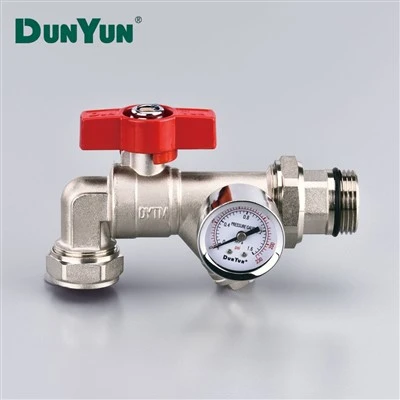
As a supplier of Thread Union Gas Filters, I understand the critical role these components play in ensuring the efficient and safe operation of gas systems. In this blog, I'll share some insights on how to optimize the performance of a Thread Union Gas Filter, drawing on our experience in the industry and the latest technological advancements.
Understanding the Basics of Thread Union Gas Filters
Before delving into optimization strategies, it's essential to have a clear understanding of what a Thread Union Gas Filter is and how it works. A Thread Union Gas Filter is a device designed to remove impurities, such as dust, dirt, and debris, from the gas stream. It typically consists of a housing, a filter element, and a connection mechanism using thread unions, which allow for easy installation and removal.
The filter element is the heart of the gas filter, and its quality and design significantly impact the filter's performance. Different types of filter elements are available, including mesh filters, cartridge filters, and sintered filters, each with its own advantages and applications. Mesh filters are commonly used for coarse filtration, while cartridge filters offer higher filtration efficiency for finer particles. Sintered filters, on the other hand, provide excellent filtration performance and durability, making them suitable for demanding applications.
Selecting the Right Filter Element
One of the key factors in optimizing the performance of a Thread Union Gas Filter is selecting the right filter element. The choice of filter element depends on several factors, including the type and size of impurities to be removed, the flow rate of the gas, and the operating conditions of the system.
When selecting a filter element, it's important to consider the filtration efficiency, which is the percentage of particles removed from the gas stream. Higher filtration efficiency means better protection for downstream equipment, but it may also result in higher pressure drop across the filter. Therefore, it's necessary to strike a balance between filtration efficiency and pressure drop to ensure optimal performance.
In addition to filtration efficiency, the dirt-holding capacity of the filter element is also crucial. A filter element with a high dirt-holding capacity can trap more impurities before reaching its maximum capacity, reducing the frequency of filter replacements and maintenance.
Maintaining Proper Installation
Proper installation of a Thread Union Gas Filter is essential for its optimal performance. Here are some key points to keep in mind during installation:
- Alignment: Ensure that the filter is correctly aligned with the gas pipeline to prevent any leaks or flow restrictions. Misalignment can cause uneven pressure distribution and reduce the filter's effectiveness.
- Sealing: Use high-quality seals and gaskets to ensure a tight seal between the filter and the pipeline. A leaky seal can allow unfiltered gas to bypass the filter, compromising its performance.
- Torque: Follow the manufacturer's recommended torque values when tightening the thread unions. Over-tightening can damage the threads or the filter housing, while under-tightening can result in leaks.
Monitoring and Maintenance
Regular monitoring and maintenance are vital to ensure the continued performance of a Thread Union Gas Filter. Here are some important maintenance tasks:
- Pressure Drop Monitoring: Monitor the pressure drop across the filter regularly. An increasing pressure drop indicates that the filter element is becoming clogged with impurities and needs to be replaced.
- Visual Inspection: Conduct visual inspections of the filter housing and connections for any signs of damage, corrosion, or leaks. Address any issues promptly to prevent further damage.
- Filter Replacement: Replace the filter element at the recommended intervals or when the pressure drop reaches the maximum allowable value. Using a worn-out filter element can reduce filtration efficiency and increase the risk of equipment damage.
Compatibility with Other Components
A Thread Union Gas Filter does not operate in isolation but is part of a larger gas system. Therefore, it's important to ensure its compatibility with other components in the system, such as valves and regulators.
For example, when using a Right-angle Gas Valve, make sure that the flow characteristics of the filter are compatible with the valve's requirements. Incompatible components can cause flow restrictions, pressure fluctuations, and other performance issues.
Similarly, when using a Brass Lockable Gas Valve or an Automatic Gas Valve, ensure that the filter can handle the pressure and flow rates associated with these valves.
Upgrading to Advanced Technologies
Advancements in filter technology have led to the development of more efficient and reliable Thread Union Gas Filters. Consider upgrading to filters with advanced features, such as self-cleaning mechanisms or intelligent monitoring systems.
Self-cleaning filters use techniques such as backwashing or pulse-jet cleaning to remove accumulated impurities from the filter element, extending its service life and reducing maintenance requirements. Intelligent monitoring systems can provide real-time data on filter performance, allowing for proactive maintenance and optimization.
Conclusion
Optimizing the performance of a Thread Union Gas Filter requires a comprehensive approach that includes selecting the right filter element, proper installation, regular monitoring and maintenance, compatibility with other components, and the adoption of advanced technologies. By following these strategies, you can ensure that your gas system operates efficiently and safely, reducing downtime and maintenance costs.


If you're interested in learning more about our Thread Union Gas Filters or have any questions regarding gas filtration solutions, we invite you to contact us for a detailed discussion. Our team of experts is ready to assist you in finding the best filtration products for your specific needs and help you optimize the performance of your gas systems.
References
- Gas Filtration Handbook, Second Edition, by John R. Wagner
- Industrial Gas Filtration Technology, by Peter A. Schweitzer