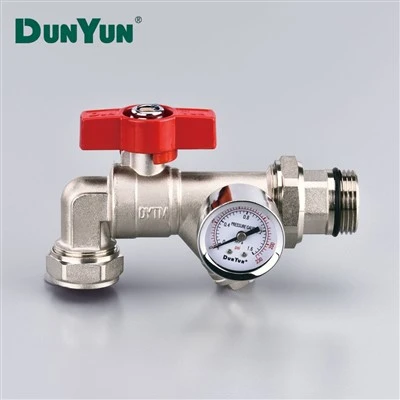
Hey there! As a supplier of right - angle gas valves, I've seen firsthand how crucial it is to test these valves properly. A faulty right - angle gas valve can lead to all sorts of problems, from gas leaks to potential safety hazards. So, in this blog post, I'm going to share with you how to test a right - angle gas valve.


Why Testing is Important
Before we dive into the testing process, let's talk about why it's so important. Gas is highly flammable and can be extremely dangerous if not managed correctly. A right - angle gas valve is designed to control the flow of gas, and any malfunction can result in a gas leak. Gas leaks can cause explosions, fires, and also release harmful gases like carbon monoxide, which is odorless and can be deadly. By regularly testing these valves, we can ensure that they are working as they should and keep everyone safe.
Tools You'll Need
To test a right - angle gas valve, you'll need a few tools. First off, you'll need a pressure gauge. This will help you measure the pressure of the gas flowing through the valve. You'll also need a soap solution. This might sound a bit strange, but it's actually a really effective way to check for gas leaks. When you apply the soap solution to the valve and its connections, any gas leak will cause bubbles to form. Additionally, you'll need a wrench to make sure all the connections are tight and a multimeter to test the electrical components if your valve is an electric or electronic one.
Visual Inspection
The first step in testing a right - angle gas valve is to do a visual inspection. Look at the valve for any signs of physical damage. Check for cracks, dents, or corrosion on the valve body. Also, examine the connections. Make sure they are tight and there are no signs of wear or tear. If you notice any damage, it's best to replace the valve right away. A damaged valve is more likely to malfunction and cause problems.
Pressure Testing
Once you've done the visual inspection, it's time for pressure testing. This is where the pressure gauge comes in. First, make sure the gas supply is turned off. Then, connect the pressure gauge to the valve. You can usually do this by attaching it to a test port on the valve. Once the pressure gauge is connected, turn on the gas supply slowly. Watch the pressure gauge. The reading should increase steadily and then stabilize. If the pressure doesn't increase as it should, or if it fluctuates wildly, there might be an issue with the valve. It could be a blockage or a leak in the valve.
Leak Testing
Leak testing is another important part of the process. This is where the soap solution comes in handy. Mix some soap with water to create a soapy solution. Using a brush or a spray bottle, apply the solution to all the connections of the right - angle gas valve, including the inlet and outlet, as well as any joints or seals. If there is a gas leak, the gas will cause bubbles to form in the soap solution. Pay close attention to any areas where bubbles appear. These are the areas where the leak is occurring. If you find a leak, turn off the gas supply immediately and tighten the connection. If tightening the connection doesn't fix the leak, you may need to replace the valve or the faulty part.
Electrical Testing (if applicable)
Some right - angle gas valves are electric or electronic, which means they have electrical components. If your valve falls into this category, you'll need to do some electrical testing. Use a multimeter to test the voltage and resistance of the electrical components. First, make sure the power to the valve is turned off. Then, set the multimeter to the appropriate mode (voltage or resistance). Connect the multimeter probes to the electrical terminals of the valve as per the manufacturer's instructions. If the test results are outside the normal range specified by the manufacturer, there could be a problem with the electrical components of the valve, and you may need to repair or replace them.
Operational Testing
After all the above tests, it's time for operational testing. This is simply checking if the valve can open and close properly. You can do this manually if it's a manual valve or by using the control system if it's an automated valve. Open the valve and see if the gas flows as it should. Then, close the valve and make sure the gas flow stops completely. If you notice any issues during this test, such as the valve not opening or closing fully, there might be a mechanical problem with the valve.
Testing Different Types of Right - Angle Gas Valves
As a right - angle gas valve supplier, I know that there are different types of valves, and the testing process might vary a bit depending on the type. For example, a Brass Ball Valve For Gas has a ball that rotates to control the gas flow. When testing this type of valve, you need to make sure the ball rotates smoothly and seals properly when closed.
A Brass Gas Valve is made of brass and can have different designs. You'll still follow the basic testing steps, but you need to pay attention to the brass material and make sure it hasn't corroded, as this can affect the valve's performance.
A Thread Union Gas Filter not only controls the gas flow but also filters it. When testing this type of valve, in addition to the usual tests, you need to check if the filter is clogged. A clogged filter can reduce the gas flow and put extra strain on the valve.
A Brass Gas Valve with Control Valve has an additional control mechanism. You need to test both the main valve and the control valve to ensure they work in harmony.
A Smart Gas Shut Off Valve is more advanced and may have features like remote control and automatic shut - off. You need to test these additional functions as well, following the manufacturer's instructions.
Conclusion and Call to Action
Testing a right - angle gas valve is a crucial process that ensures safety and proper functioning. By following the steps I've outlined in this blog post, you can test your valves effectively. If you're in the market for high - quality right - angle gas valves, we're here to help. We've been in the business for a long time, and we offer a wide range of valves, including those mentioned above. Our products are reliable and meet high safety standards. If you're interested in purchasing our right - angle gas valves or have any questions, feel free to contact us. We're always ready to discuss your needs and offer the best solutions for your gas valve requirements.
References
- Gas Safety Standards Handbook
- Right - Angle Gas Valve Manufacturer's Manual Guides