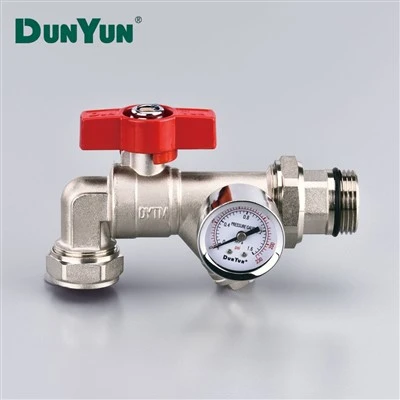
Chemical resistance is a topic that hits home for me, given that I'm a supplier of right-angle gas valves. As someone who's been immersed in the world of valve technology for a good while, I've seen firsthand how crucial chemical resistance is in ensuring the long - term performance and safety of right - angle gas valves.
Let's start by breaking down what chemical resistance actually means for a right - angle gas valve. In simple terms, it's the valve's ability to withstand the corrosive effects of various chemicals that it might come into contact with in its operating environment. These chemicals can range from common industrial gases like hydrogen sulfide, carbon dioxide, and chlorine to more specialized chemical compounds used in specific industries.


Imagine a right - angle gas valve installed in an industrial chemical processing plant. This valve is constantly exposed to a variety of aggressive chemicals. If the valve doesn't have good chemical resistance, the chemicals can eat away at the valve materials over time. This could lead to leaks, reduced flow control, and even complete valve failure. And trust me, a valve failure in a chemical processing plant is not just an inconvenience; it can result in dangerous situations, environmental hazards, and significant financial losses to the company.
Now, let's dive into the different factors that affect the chemical resistance of right - angle gas valves.
Material Selection Plays a Key Role
The material of the valve is the first line of defense against chemical attacks. There are several materials commonly used in manufacturing right - angle gas valves, each with its own set of chemical resistance properties.
- Brass: Brass is a popular choice for many gas valves due to its relatively good corrosion resistance, machinability, and reasonable cost. It can handle a wide range of gases, including natural gas and propane. However, brass may not hold up well in highly acidic or alkaline environments. For example, if the valve is exposed to hydrochloric acid or strong caustic solutions, the brass can corrode, forming pits and holes that compromise the valve's integrity.
- Stainless Steel: Stainless steel is known for its excellent corrosion resistance, especially against a variety of acids, alkalis, and salt solutions. Valves made from stainless steel can be used in harsh industrial environments where brass would quickly fail. For instance, stainless - steel right - angle gas valves are often used in offshore oil and gas platforms, where they are exposed to saltwater and various corrosive gases.
- PVC (Polyvinyl Chloride): PVC is a synthetic plastic material that is lightweight and has good resistance to many non - oxidizing acids, alkalis, and salts. PVC valves are commonly used in water treatment plants and some chemical handling systems where the chemical concentration is relatively low. However, PVC may not be suitable for high - temperature applications or in contact with certain organic solvents.
Chemical Concentration and Temperature Matter
The concentration of the chemicals that the valve is exposed to and the operating temperature can have a significant impact on its chemical resistance. In general, higher chemical concentrations and elevated temperatures will accelerate the corrosion process.
Let's say we have a right - angle gas valve made of brass that is designed to handle a low - concentration sulfur dioxide gas at room temperature. The valve might work fine under these conditions. But if the concentration of sulfur dioxide increases or the temperature rises, the brass will start to corrode more rapidly. This is because higher temperatures increase the reactivity of the chemicals, and concentrated chemicals have a stronger ability to break down the valve materials.
Surface Coatings Can Provide Extra Protection
Surface coatings are another way to enhance the chemical resistance of right - angle gas valves. One common type of coating is a powder coating. Powder coatings form a protective layer on the surface of the valve, preventing direct contact between the valve material and the chemicals.
There are also special anti - corrosion coatings that are specifically designed for use in highly corrosive environments. These coatings can provide an additional barrier against chemical attacks, extending the valve's service life. For example, some valves may be coated with a Teflon - based material, which has excellent chemical resistance and low friction properties.
Standards and Testing Ensure Quality
There are industry standards and testing procedures in place to evaluate the chemical resistance of right - angle gas valves. These standards help ensure that the valves meet a certain level of performance and safety.
For example, the American Society of Mechanical Engineers (ASME) has developed standards for pressure vessels and valves, which include requirements for chemical resistance. Valves are typically tested in a laboratory environment using simulated chemical conditions. The test results can help manufacturers determine the suitability of the valve for different operating environments and make improvements to the valve design or materials if necessary.
As a right - angle gas valve supplier, I understand the importance of offering high - quality valves with excellent chemical resistance. We have a wide range of products to meet different customer needs. For instance, if you're looking for an auto - shut - off feature, our Auto Gas Shut Off Valve provides an extra layer of safety. And for those who prefer a brass valve with automatic shut - off capabilities, our Brass Gas Automatic Shut - Off Valve might be the perfect choice.
If safety is your top priority, our Gas Safety Shut Off Valve offers reliable performance in critical situations. For a more versatile option, the Universal Gas Valve can be used in a variety of applications. And if you're in the boiler industry, our Forged Angle Gas Valve For Boiler is designed to handle the specific requirements of boiler systems.
We're always here to provide technical support and help you select the right valve for your application. Whether you're in the chemical industry, oil and gas, or any other field that requires reliable gas valves, we can work with you to find the best solution. If you have questions or are interested in making a purchase, don't hesitate to reach out and start a conversation about your requirements.
References
- ASME Boiler and Pressure Vessel Code.
- Manufacturer's technical data sheets on valve materials and chemical resistance.