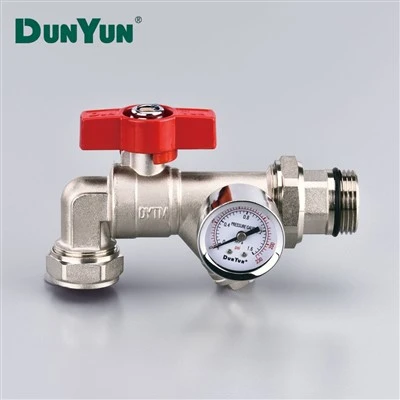
Retrofitting a manual natural gas ball valve to an automatic one is a practical upgrade that enhances the efficiency and safety of gas systems. As a trusted Natural Gas Ball Valve supplier, we understand the complexities and importance of this process. In this blog, we will outline the steps involved in this retrofitting endeavor, ensuring that you can make an informed decision and carry out the modification safely.


Step 1: Assessment and Planning
Before initiating any retrofit project, a comprehensive assessment of the existing manual natural gas ball valve is essential. First, examine the valve's specifications, including its size, pressure rating, and compatibility with the gas system. This information will help you select the appropriate automatic valve that can seamlessly integrate with the current setup.
Next, review the operational requirements of the gas system. Determine the frequency of valve operation, the desired level of automation (such as on/off control, proportional control), and any specific safety features needed. For instance, if the gas system is used in a high-risk environment, you may need a Gas Safety Shut Off Valve that can quickly stop the gas flow in case of an emergency.
Create a detailed plan that includes the timeline, budget, and necessary tools for the retrofit. Consider any potential challenges, such as space constraints or compatibility issues with other components in the system. This planning phase will help you avoid costly mistakes and ensure a smooth retrofit process.
Step 2: Selecting the Right Automatic Valve
Once you have completed the assessment, it's time to choose the appropriate automatic valve. There are several types of automatic valves available, including electric, pneumatic, and hydraulic valves. Each type has its own advantages and disadvantages, so it's important to select the one that best suits your needs.
Electric valves are popular due to their ease of installation and control. They can be operated remotely using a control panel or a programmable logic controller (PLC). Pneumatic valves, on the other hand, are powered by compressed air and are often used in industrial applications where high-speed operation is required. Hydraulic valves are suitable for applications that require high force or precise control.
When selecting an automatic valve, consider its compatibility with the existing manual valve and the gas system. Look for valves that have the same size, pressure rating, and connection type as the manual valve. Additionally, choose a valve that is certified for use with natural gas and meets all relevant safety standards. For a versatile option, you may consider a Universal Gas Valve that can be used in a variety of applications.
Step 3: Shutting Off the Gas Supply
Safety is of utmost importance when working with natural gas. Before starting any work on the valve, shut off the gas supply to the system. Locate the main gas shut-off valve, which is usually located near the gas meter or at the point where the gas enters the building. Turn the valve to the "off" position to stop the flow of gas.
After shutting off the gas supply, use a gas detector to check for any gas leaks in the area. This step is crucial to ensure that there is no gas present before you start working on the valve. If you detect a gas leak, do not attempt to proceed with the retrofit. Instead, contact a qualified gas technician to address the issue.
Step 4: Removing the Manual Valve
Once the gas supply is shut off and the area is safe, you can begin removing the manual valve. Start by disconnecting any pipes or fittings connected to the valve. Use a wrench or a pipe cutter to loosen the connections, taking care not to damage the pipes.
After disconnecting the pipes, remove the manual valve from its mounting. Depending on the type of valve, it may be held in place by bolts, screws, or clamps. Use the appropriate tools to remove these fasteners and carefully lift the valve out of the system.
Step 5: Installing the Automatic Valve
With the manual valve removed, it's time to install the automatic valve. Begin by cleaning the mounting surface and the pipe ends to ensure a proper seal. Apply a thin layer of thread sealant to the pipe threads to prevent gas leaks.
Position the automatic valve in the same location as the manual valve and align the connection points. Connect the pipes to the valve using the appropriate fittings and tighten the connections securely. Make sure that the valve is properly oriented and that the actuator is accessible for maintenance and operation.
Step 6: Wiring and Control System Installation
If you have chosen an electric or electronic automatic valve, you will need to install the wiring and control system. Follow the manufacturer's instructions carefully to ensure that the wiring is done correctly. Connect the valve to the power supply and the control panel, making sure to use the appropriate wire gauge and connectors.
Program the control system to operate the valve according to your desired settings. This may involve setting the opening and closing times, the pressure limits, and the safety features. Test the control system to ensure that it is functioning properly and that the valve opens and closes as expected.
Step 7: Testing and Commissioning
After installing the automatic valve and the control system, it's time to test the system. First, turn on the gas supply and check for any gas leaks using a gas detector. If you detect a leak, immediately shut off the gas supply and address the issue.
Next, test the valve's operation using the control system. Open and close the valve several times to ensure that it is functioning smoothly and that there are no mechanical issues. Check the valve's position indicator to confirm that it is accurately reflecting the valve's status.
Finally, conduct a full system test to ensure that the automatic valve is integrated properly with the gas system. Monitor the system for a period of time to ensure that it is operating safely and efficiently.
Step 8: Maintenance and Inspection
Once the retrofit is complete, it's important to establish a regular maintenance and inspection schedule. Automatic valves require periodic maintenance to ensure that they continue to function properly. This may include lubricating the moving parts, checking the electrical connections, and testing the safety features.
Regular inspections will help you identify any potential issues before they become major problems. Inspect the valve for signs of wear, corrosion, or damage. Check the control system for any error messages or malfunctions. By performing regular maintenance and inspections, you can extend the lifespan of the automatic valve and ensure the safety of your gas system.
Conclusion
Retrofitting a manual natural gas ball valve to an automatic one is a significant upgrade that can improve the efficiency, safety, and reliability of your gas system. By following the steps outlined in this blog, you can carry out the retrofit process safely and effectively.
As a leading Natural Gas Ball Valve supplier, we offer a wide range of high-quality valves and accessories to meet your needs. Whether you are looking for a Gas Safety Shut Off Valve, a Universal Gas Valve, or a Brass Butterfly Handle Gas Valve, we have the expertise and products to help you with your project.
If you are interested in upgrading your gas system or have any questions about our products, please contact us to discuss your requirements. Our team of experts is ready to assist you in finding the best solution for your needs.
References
- American Gas Association (AGA). Guidelines for Gas Valve Installation and Maintenance.
- International Association of Plumbing and Mechanical Officials (IAPMO). Plumbing and Mechanical Code Handbook.
- Valve Manufacturers Association (VMA). Valve Selection and Installation Guide.