An exhaust valve seat is a crucial component within an internal combustion engine, and its importance cannot be overstated. In my role as a reliable exhaust valve supplier, I've witnessed firsthand the impact of high - quality valve seats on engine performance.


Structure and Composition of Exhaust Valve Seats
Exhaust valve seats are circular rings that are inserted into the cylinder head of an engine. Their basic function is to provide a sealing surface for the exhaust valve. When the valve is closed, it presses against the seat to prevent the leakage of exhaust gases into the intake manifold or other parts of the engine.
The materials used to make exhaust valve seats need to possess several key properties. High - grade alloy steels and cast irons are commonly in use. These materials are chosen because they can withstand high temperatures, as exhaust gases can reach extremely high levels. For example, in a high - performance engine, the exhaust gas temperature can easily exceed 800 degrees Celsius. Additionally, the seats must be wear - resistant to cope with the thousands of times the valve opens and closes during the engine's operation.
The design of the valve seat is also carefully engineered. It has a specific angle, usually around 45 or 30 degrees, which is precisely matched to the angle of the valve face. This ensures a tight and efficient seal. Moreover, the width of the seat is optimized to balance the pressure distribution and prevent excessive wear.
Role in Engine Performance
One of the primary roles of the exhaust valve seat is to affect the engine's breathing efficiency. A well - sealed valve seat means that exhaust gases are expelled from the engine cylinder in a timely and efficient manner. This not only improves the power output of the engine but also helps in reducing fuel consumption. When there is a proper seal, the engine can operate at its peak efficiency, translating into better acceleration and overall performance.
Furthermore, the exhaust valve seat helps in noise reduction. A leaky valve seat can cause a hissing sound due to the escaping exhaust gases, which not only mars the driving experience but can also be a sign of potential engine problems. By providing a tight seal, the valve seat contributes to a quieter engine operation.
Importance of Quality and Durability
As an exhaust valve supplier, I understand the significance of offering high - quality valve seats. Badly made or low - quality valve seats can lead to several issues. For instance, if the seat material has poor heat resistance, it can crack under the high - temperature conditions of exhaust gas flow. Once cracked, it can no longer provide an effective seal, leading to power loss and increased emissions.
Wear is another major concern. Over time, the constant contact between the valve and the seat can cause the seat to wear down. If the wear is uneven, it can lead to misalignment of the valve, further exacerbating the sealing problem. This is why we, as a supplier, invest heavily in research and development to ensure that our valve seats are made from the best materials and are manufactured to the highest precision.
Our Product Range
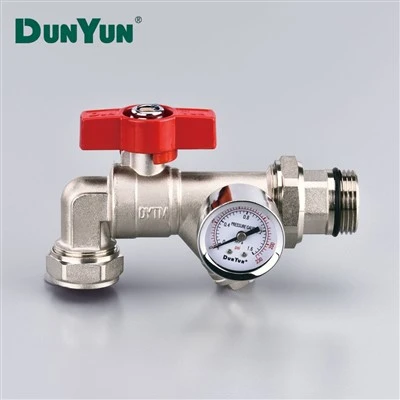
In addition to standard exhaust valve seats, we also offer a variety of related products. For example, we have the Union Gas Filter Valve. This valve is designed to filter impurities from the gas flow, enhancing the overall performance and longevity of the exhaust system. The Press - Reduce Valve is another important product in our lineup. It helps to regulate the pressure within the exhaust system, preventing excessive pressure build - up that could damage the engine components. And our Gas Splitter Valve is useful for applications where the exhaust gas needs to be divided and routed to different parts of the system.
Maintenance and Replacement
Regular maintenance of exhaust valve seats is essential for the proper functioning of the engine. Mechanics usually inspect the valve seats during routine engine servicing. They check for signs of wear, damage, and proper sealing. If any issues are detected, the valve seat may need to be replaced.
Replacing a valve seat is a complex process. It often requires specialized tools and skills. First, the cylinder head needs to be removed from the engine. Then, the old valve seat is carefully removed without causing damage to the cylinder head. A new valve seat is then installed, and the entire assembly is re - assembled and calibrated to ensure proper operation.
Future Trends in Exhaust Valve Seat Technology
As automotive technology advances, the requirements for exhaust valve seats are also evolving. There is a growing demand for valve seats that can withstand even higher temperatures and more extreme operating conditions. This is driven by the trend towards more powerful and fuel - efficient engines, as well as the increasing use of alternative fuels.
Materials science is playing a key role in meeting these challenges. New materials, such as advanced ceramics and composite materials, are being explored for use in exhaust valve seats. These materials offer better heat resistance, lower weight, and improved wear characteristics.
Another trend is the integration of sensors into valve seats. These sensors can monitor parameters such as temperature, pressure, and wear in real - time, providing valuable data for engine management systems. This allows for proactive maintenance and can help in preventing major engine failures.
Why Choose Us as Your Exhaust Valve Supplier
We take pride in our commitment to quality and customer satisfaction. Our team of experts has years of experience in the field of exhaust valve manufacturing. We use state - of - the - art equipment and follow strict quality control procedures to ensure that every product we supply meets or exceeds industry standards.
We also understand the importance of timely delivery. We have a well - established supply chain management system in place, which enables us to fulfill orders quickly and efficiently. Whether you are a large automotive manufacturer or a small - scale repair shop, we can provide you with the quantity and quality of exhaust valves and related components you need.
In addition, our customer support team is always ready to assist you. If you have any questions about our products, installation, or maintenance, they will be happy to provide you with the necessary information and guidance.
Get in Touch for Your Exhaust Valve Needs
If you are in the market for high - quality exhaust valve seats or any of our related products, we encourage you to get in touch with us. We are eager to discuss your specific requirements and provide you with a customized solution. Working together, we can ensure that your engines operate at their best, with improved performance, reduced emissions, and enhanced durability.
References
- Heywood, J. B. "Internal Combustion Engine Fundamentals." McGraw - Hill, 1988.
- Taylor, C. F. "The Internal Combustion Engine in Theory and Practice." MIT Press, 1960.