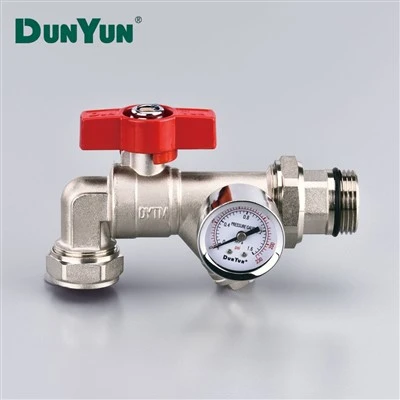
A gas splitter valve is a crucial component in many industrial and commercial gas systems. It is designed to divide a single gas supply into multiple streams, allowing for more efficient distribution and control of gases. As a supplier of high - quality Gas Splitter Valve, I am often asked about the types of gases that these valves can handle. In this blog post, I will explore the various gases that a gas splitter valve can manage and the considerations for each.
Common Gases Handled by Gas Splitter Valves
1. Inert Gases
Inert gases are those that do not readily react with other substances under normal conditions. One of the most common inert gases is nitrogen (N₂). Nitrogen is widely used in industries such as food packaging, electronics manufacturing, and chemical processing. In food packaging, nitrogen is used to displace oxygen, which helps in extending the shelf - life of products by preventing oxidation and spoilage. A gas splitter valve can easily handle nitrogen, allowing it to be distributed to multiple packaging machines or processing units.
Another inert gas is argon (Ar). Argon is commonly used in welding applications, especially in TIG (Tungsten Inert Gas) and MIG (Metal Inert Gas) welding. It provides a protective atmosphere around the weld area, preventing oxidation and contamination of the weld. Gas splitter valves can split the argon supply to multiple welding stations, ensuring a consistent and reliable gas flow.
Helium (He) is also an inert gas that can be managed by gas splitter valves. Helium is used in applications such as leak detection, as a coolant in nuclear reactors, and in the aerospace industry. For example, in leak detection, helium is often used as a tracer gas. A gas splitter valve can distribute helium to different testing chambers or equipment, enabling efficient and accurate leak testing.
2. Combustible Gases
Combustible gases are those that can burn in the presence of an oxidizer, usually oxygen. One of the most well - known combustible gases is natural gas, which is primarily composed of methane (CH₄). Natural gas is widely used for heating, cooking, and power generation. Gas splitter valves can be used in natural gas distribution systems to split the supply to multiple burners or appliances in a building. However, when dealing with combustible gases, safety is of utmost importance. The gas splitter valves must be properly rated and installed to prevent leaks and potential explosions.
Propane (C₃H₈) is another combustible gas that is commonly used in heating, cooking, and as a fuel for vehicles. Propane is often stored in tanks and distributed to various appliances. A gas splitter valve can divide the propane supply to multiple heaters, stoves, or forklifts. Similar to natural gas, strict safety measures must be followed when using gas splitter valves with propane.
Hydrogen (H₂) is a highly combustible gas that is gaining more attention as a clean energy source. It is used in fuel cells, hydrogen engines, and in the chemical industry. Gas splitter valves can be used to distribute hydrogen in a fuel cell power plant or a hydrogen refueling station. However, due to its low density and high flammability, special considerations such as proper ventilation and leak detection systems are required when handling hydrogen with gas splitter valves.
3. Oxidizing Gases
Oxidizing gases are those that can support combustion and cause other substances to burn more readily. Oxygen (O₂) is the most common oxidizing gas. Oxygen is used in medical applications, welding, and in the chemical industry. In medical settings, oxygen is used to support patients with respiratory problems. Gas splitter valves can be used to distribute oxygen to multiple patient rooms or medical equipment. In welding, oxygen is often used in combination with acetylene or other fuel gases to produce a high - temperature flame. When handling oxygen with gas splitter valves, it is important to ensure that the valves are clean and free from any contaminants that could react with oxygen and cause a fire or explosion.
Chlorine (Cl₂) is another oxidizing gas that is used in water treatment, the chemical industry, and in the production of plastics. Gas splitter valves can be used to distribute chlorine in a water treatment plant to different treatment tanks or processes. However, chlorine is a toxic gas, and proper safety precautions such as the use of protective equipment and leak detection systems are essential when handling it with gas splitter valves.
Considerations for Different Gases
1. Chemical Compatibility
The materials used in the construction of the gas splitter valve must be chemically compatible with the gas being handled. For example, some gases may react with certain metals or elastomers, causing corrosion or degradation of the valve components. When dealing with corrosive gases such as chlorine or hydrogen sulfide (H₂S), valves made of corrosion - resistant materials such as stainless steel or special alloys may be required.
2. Pressure and Flow Requirements
Different gases have different pressure and flow requirements. The gas splitter valve must be sized and rated to handle the specific pressure and flow rate of the gas. For example, high - pressure gases such as compressed air or nitrogen may require valves with a higher pressure rating. Additionally, the valve must be able to provide a consistent and stable flow of gas to each outlet, especially in applications where precise control is required.
3. Safety Features
As mentioned earlier, safety is a critical consideration when handling gases with gas splitter valves. Valves for combustible gases should be equipped with safety features such as pressure relief valves and flame arrestors. For toxic gases, leak detection systems and proper ventilation are essential. Some gas splitter valves may also be designed with fail - safe mechanisms to prevent gas flow in case of a malfunction.
Other Related Valves in Gas Systems
In addition to gas splitter valves, there are other types of valves that are commonly used in gas systems. One such valve is the Press - Reduce Valve. A pressure - reducing valve is used to reduce the pressure of a gas from a high - pressure source to a lower, more usable pressure. This is important in many applications where the equipment or processes require a specific pressure range.
The Union Gas Filter Valve is another important component. It is used to filter out impurities and contaminants from the gas stream. This helps in protecting the downstream equipment and ensuring the quality of the gas. For example, in a natural gas distribution system, a union gas filter valve can remove dust, dirt, and other particles from the gas before it reaches the appliances.


Conclusion
Gas splitter valves are versatile components that can handle a wide range of gases, including inert gases, combustible gases, and oxidizing gases. However, when selecting and using gas splitter valves, it is important to consider factors such as chemical compatibility, pressure and flow requirements, and safety features. As a supplier of Gas Splitter Valve, we are committed to providing high - quality valves that meet the specific needs of our customers. If you are in need of gas splitter valves or have any questions about the types of gases they can handle, please feel free to contact us for a consultation and to discuss your procurement needs. We look forward to working with you to ensure the efficient and safe distribution of gases in your systems.
References
- Perry, R. H., & Green, D. W. (1997). Perry's Chemical Engineers' Handbook. McGraw - Hill.
- Ludwig, E. E. (2001). Applied Process Design for Chemical and Petrochemical Plants. Gulf Professional Publishing.
- American Gas Association (AGA). Various standards and guidelines related to gas handling and valve selection.