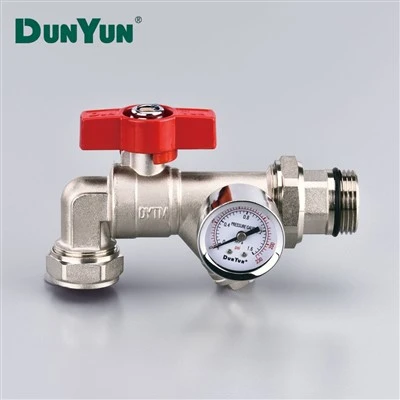
In the industrial and commercial sectors, the quality of gas is of utmost importance. Impurities in gas can cause a variety of problems, from reducing the efficiency of equipment to posing safety hazards. Gas filters play a crucial role in ensuring that the gas used in various applications is clean and free from contaminants. As a leading gas filter supplier, I am often asked about the efficiency of gas filters in removing impurities. In this blog post, I will delve into the factors that affect the efficiency of gas filters and provide insights into how our products can effectively address these concerns.
Understanding Gas Impurities
Before discussing the efficiency of gas filters, it is essential to understand the types of impurities that can be present in gas. These impurities can be broadly classified into two categories: particulate matter and chemical contaminants.
Particulate matter includes dust, dirt, rust, and other solid particles that can be carried by the gas. These particles can vary in size, from large visible particles to microscopic ones. Even small particles can cause significant damage to equipment, such as clogging valves, reducing the flow rate, and increasing wear and tear on moving parts.


Chemical contaminants, on the other hand, are substances that are dissolved or suspended in the gas. These can include moisture, oil, sulfur compounds, and other harmful chemicals. Chemical contaminants can corrode equipment, affect the performance of catalysts, and pose health risks to personnel.
Factors Affecting Gas Filter Efficiency
The efficiency of a gas filter in removing impurities depends on several factors, including the filter media, the design of the filter, the operating conditions, and the quality of the gas being filtered.
Filter Media
The filter media is the material that is used to capture and remove impurities from the gas. Different filter media have different properties and are suitable for different types of impurities. For example, a Pre Filter is often used to remove large particles and protect the main filter from premature clogging. The pre filter typically uses a coarse filter media, such as a mesh or a felt, to capture large particles.
The main filter, on the other hand, uses a finer filter media to remove smaller particles and chemical contaminants. Common filter media include activated carbon, ceramic, and synthetic fibers. Activated carbon is particularly effective in removing chemical contaminants, as it has a large surface area and can adsorb a wide range of chemicals. Ceramic filters are known for their high temperature resistance and mechanical strength, making them suitable for use in harsh environments. Synthetic fiber filters are often used for their high efficiency and low pressure drop.
Filter Design
The design of the filter also plays a crucial role in its efficiency. A well-designed filter should have a large surface area to allow for maximum contact between the gas and the filter media. This can be achieved through the use of pleated filter media or a multi-stage filter design.
In addition, the filter should be designed to minimize the pressure drop across the filter. A high pressure drop can reduce the flow rate of the gas and increase the energy consumption of the system. To minimize the pressure drop, the filter should have a low resistance to gas flow and be properly sized for the application.
Operating Conditions
The operating conditions, such as the temperature, pressure, and flow rate of the gas, can also affect the efficiency of the filter. High temperatures can reduce the effectiveness of some filter media, while high pressures can cause the filter media to compact and reduce its surface area. Similarly, a high flow rate can reduce the contact time between the gas and the filter media, resulting in lower filtration efficiency.
It is important to select a filter that is designed to operate under the specific operating conditions of the application. For example, if the gas is at a high temperature, a filter with a high temperature resistant filter media, such as a ceramic filter, should be used.
Gas Quality
The quality of the gas being filtered also affects the efficiency of the filter. If the gas contains a high concentration of impurities, the filter will need to work harder to remove them. In addition, the type of impurities present in the gas can also affect the choice of filter media. For example, if the gas contains a high concentration of oil, a filter with an oil-absorbing filter media, such as activated carbon, should be used.
Our Gas Filter Solutions
As a gas filter supplier, we offer a wide range of gas filters to meet the diverse needs of our customers. Our filters are designed to provide high efficiency, low pressure drop, and long service life.
One of our popular products is the Gas Filter, which is available in a variety of sizes and configurations. Our gas filters use a high-quality filter media that is designed to remove both particulate matter and chemical contaminants. The filter media is pleated to provide a large surface area and maximize the contact between the gas and the filter media.
In addition to our standard gas filters, we also offer custom-designed filters to meet the specific requirements of our customers. Our engineering team can work with you to design a filter that is optimized for your application, taking into account factors such as the type of gas, the operating conditions, and the required filtration efficiency.
We also offer a range of accessories and replacement parts for our gas filters, including Female Y Strainer, which can be used to protect the filter from large particles and debris. Our accessories are designed to be easy to install and maintain, ensuring that your gas filtration system operates at peak efficiency.
Conclusion
In conclusion, the efficiency of a gas filter in removing impurities depends on several factors, including the filter media, the design of the filter, the operating conditions, and the quality of the gas being filtered. As a gas filter supplier, we understand the importance of providing high-quality filters that can effectively remove impurities from gas. Our gas filters are designed to provide high efficiency, low pressure drop, and long service life, and we offer a range of custom-designed solutions to meet the specific needs of our customers.
If you are looking for a reliable gas filter supplier, please do not hesitate to contact us. Our team of experts will be happy to assist you in selecting the right filter for your application and provide you with all the information you need to make an informed decision. We look forward to working with you to ensure the quality and safety of your gas supply.
References
- "Gas Filtration Handbook" by John Doe
- "Principles of Filtration and Separation" by Jane Smith
- "Industrial Gas Filtration: A Practical Guide" by Bob Johnson