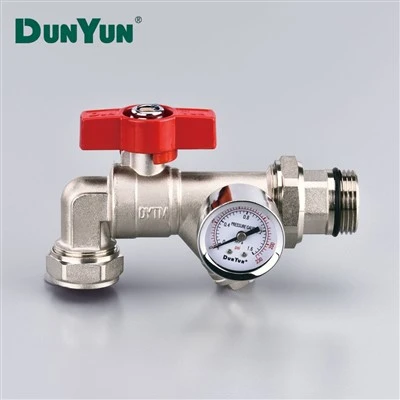
Maintaining a ball valve is crucial for ensuring its optimal performance and longevity. As a trusted ball valve supplier, I understand the significance of proper maintenance in keeping these essential components in top - notch condition. In this blog, I'll share some valuable insights on how to maintain a ball valve effectively.
Understanding the Basics of a Ball Valve
Before delving into maintenance, it's important to have a basic understanding of what a ball valve is. A ball valve is a type of quarter - turn valve that uses a hollow, perforated, and pivoting ball to control the flow of a fluid. When the valve is open, the hole in the ball aligns with the flow path, allowing the fluid to pass through. When it's closed, the ball is rotated 90 degrees, blocking the flow.


Ball valves are widely used in various industries, including oil and gas, water treatment, and chemical processing, due to their durability, quick operation, and tight shut - off capabilities. They come in different materials, such as brass, stainless steel, and PVC, each suitable for specific applications. For instance, Brass Ball Valve with Lever Handle Female - Female is a popular choice for many domestic and light - industrial applications because of its corrosion resistance and affordability.
Regular Inspection
The first step in maintaining a ball valve is regular inspection. This should be done at least once a month for valves in continuous use and quarterly for those in less - frequent operation.
- Visual Inspection: Start by visually examining the valve for any signs of damage, such as cracks, dents, or leaks. Check the valve body, the handle, and the connections. Look for any signs of corrosion, especially if the valve is made of metal. Corrosion can weaken the valve structure and lead to leaks over time.
- Operational Inspection: Operate the valve to ensure it opens and closes smoothly. A stiff or difficult - to - turn valve may indicate a problem, such as debris in the valve or a worn - out seal. If you notice any resistance, do not force the valve. Instead, investigate the cause of the problem.
Cleaning
Cleaning is an essential part of ball valve maintenance. Over time, dirt, debris, and scale can accumulate inside the valve, affecting its performance.
- External Cleaning: Use a soft brush or a cloth to clean the outside of the valve. Remove any dirt, dust, or grime that has accumulated on the valve body and the handle. For stubborn stains, you can use a mild detergent and water solution. Rinse the valve thoroughly and dry it with a clean cloth.
- Internal Cleaning: If the valve is not functioning properly or if you suspect there is debris inside, you may need to clean the internal parts. First, shut off the flow of fluid to the valve and relieve the pressure. Then, disassemble the valve carefully according to the manufacturer's instructions. Use a suitable cleaning agent to clean the ball, the seats, and the valve body. Make sure to remove all the debris and scale. Rinse the parts thoroughly and dry them before reassembling the valve.
Lubrication
Lubrication helps to reduce friction between the moving parts of the ball valve, ensuring smooth operation and preventing wear and tear.
- Choose the Right Lubricant: Select a lubricant that is compatible with the valve material and the fluid being handled. For brass valves, a silicone - based or a Teflon - based lubricant is usually a good choice. Avoid using lubricants that can react with the valve material or the fluid, as this can cause damage.
- Apply the Lubricant: Apply a small amount of lubricant to the ball and the seats. Use a clean brush or a cloth to spread the lubricant evenly. Be careful not to over - lubricate, as excess lubricant can attract dirt and debris.
Seal Replacement
The seals in a ball valve are critical for preventing leaks. Over time, the seals can wear out or become damaged, leading to leakage.
- Identify the Problem: If you notice a leak around the valve stem or the connections, it may be a sign that the seals need to be replaced. Check the seals for any signs of wear, such as cracks, tears, or deformation.
- Replace the Seals: To replace the seals, you need to disassemble the valve. Remove the old seals and clean the seal grooves. Install the new seals carefully, making sure they are properly seated. Reassemble the valve and test it for leaks.
Pressure Testing
Periodic pressure testing is an important part of ball valve maintenance. It helps to ensure that the valve can withstand the operating pressure without leaking.
- Test Procedure: Connect the valve to a pressure testing device and gradually increase the pressure to the maximum operating pressure specified by the manufacturer. Hold the pressure for a few minutes and check for any leaks. If there are no leaks, the valve passes the pressure test. If there are leaks, you need to identify the source of the leak and take appropriate measures to fix it.
Storage
If you need to store a ball valve for an extended period, proper storage is essential to prevent damage.
- Clean and Lubricate: Before storing the valve, clean it thoroughly and apply a light coat of lubricant to the moving parts. This helps to prevent corrosion and keep the parts in good condition.
- Protect from the Elements: Store the valve in a dry, clean place away from direct sunlight and extreme temperatures. If possible, store the valve in a protective case or a box to prevent damage.
Conclusion
Maintaining a ball valve is not a complicated task, but it requires regular attention and proper care. By following these maintenance tips, you can ensure that your ball valve operates smoothly and reliably for a long time.
As a ball valve supplier, I offer a wide range of high - quality ball valves, including Brass Ball Valve Lever Handle Female. If you have any questions about ball valve maintenance or if you are interested in purchasing ball valves for your project, feel free to contact me. I'm always ready to provide you with professional advice and assistance.
References
- Valve Handbook, Emerson Process Management
- Understanding Valves, Crane Co.
- Ball Valve Installation and Maintenance Guide, various manufacturers' manuals