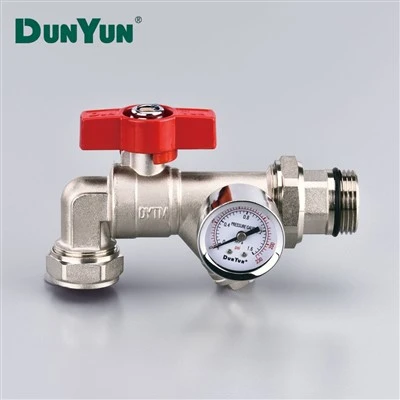
Hey there! As a supplier of exhaust valves, I've seen firsthand how crucial it is to pick the right one for your specific needs. There are a bunch of factors to think about when you're in the market for an exhaust valve. In this blog, I'll break down these factors to help you make an informed decision.
1. Application and Purpose
The first thing you gotta consider is what you're using the exhaust valve for. Different applications call for different types of valves. For instance, if you're dealing with a plumbing system, you might need an Automatic Exhaust Valve. These valves are designed to automatically release air from the system, preventing air locks and ensuring smooth water flow.
On the other hand, if you're working in an industrial setting where you need to split gas streams, a Gas Splitter Valve would be more appropriate. It allows you to divide a single gas flow into multiple streams, which can be useful for various processes.
Another example is in the automotive industry. Exhaust valves in cars are used to control the flow of exhaust gases out of the engine. They need to be able to withstand high temperatures and pressures, and be designed for optimal performance and efficiency.
2. Operating Conditions
The conditions under which the exhaust valve will operate are also super important. You need to think about things like temperature, pressure, and the type of fluid or gas that will be flowing through the valve.
- Temperature: High temperatures can cause materials to expand and weaken, so if your valve will be exposed to extreme heat, you need to choose a material that can handle it. For example, some valves are made from stainless steel or other heat-resistant alloys. These materials can maintain their strength and integrity even at high temperatures, ensuring the valve operates properly.
- Pressure: The pressure in the system can also have a big impact on the valve's performance. You need to select a valve that is rated for the maximum pressure that it will experience. If the pressure is too high for the valve, it could lead to leaks, malfunctions, or even safety hazards.
- Fluid or Gas Type: Different fluids and gases can have different chemical properties, which can affect the valve's materials. For example, if you're dealing with a corrosive gas, you need to choose a valve made from a material that is resistant to corrosion, such as brass or PVC.
3. Valve Size
The size of the exhaust valve is another key factor. It needs to be the right size to ensure proper flow and performance. If the valve is too small, it can restrict the flow of fluid or gas, causing pressure drops and reducing efficiency. On the other hand, if the valve is too large, it can be more expensive and may not operate as effectively.
To determine the right size, you need to consider the flow rate and the pressure requirements of your system. You can use flow rate calculations and pressure drop charts to help you select the appropriate valve size.
4. Material and Construction
The material and construction of the exhaust valve play a big role in its durability and performance. You want a valve that is made from high-quality materials and is well-constructed.
- Materials: Common materials used for exhaust valves include brass, stainless steel, PVC, and cast iron. Each material has its own advantages and disadvantages. For example, brass is corrosion-resistant and has good conductivity, making it a popular choice for many applications. Stainless steel is strong and durable, and can withstand high temperatures and pressures. PVC is lightweight and inexpensive, and is often used in low-pressure applications.
- Construction: The way the valve is constructed can also affect its performance. Look for valves that have a tight seal and are well-designed to prevent leaks. Some valves have multiple seals or gaskets to ensure a secure fit.
5. Flow Characteristics
The flow characteristics of the exhaust valve are important for ensuring efficient operation. You need to consider things like the valve's flow coefficient (Cv), which is a measure of how much fluid or gas can flow through the valve at a given pressure drop.
A higher Cv value means that the valve can handle a greater flow rate. However, you also need to consider the pressure drop across the valve. A valve with a high Cv value may have a lower pressure drop, which can be beneficial for energy efficiency.
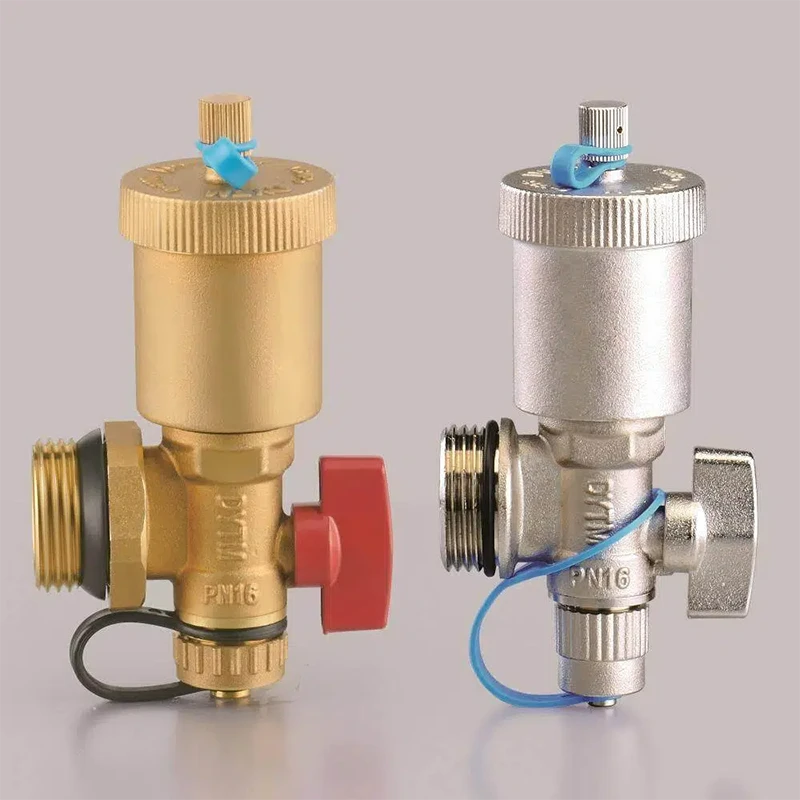

You also need to think about the valve's flow pattern. Some valves have a linear flow pattern, which means that the flow rate is proportional to the valve's opening. Others have a non-linear flow pattern, which can be useful for applications where you need to control the flow more precisely.
6. Actuation Method
The way the exhaust valve is actuated is another factor to consider. There are several different types of actuation methods, including manual, electric, pneumatic, and hydraulic.
- Manual: Manual valves are operated by hand, using a lever or a wheel. They are simple and inexpensive, but they require someone to be present to operate them. Manual valves are often used in applications where the valve doesn't need to be adjusted frequently.
- Electric: Electric valves are controlled by an electric motor or solenoid. They can be automated, which means they can be programmed to open and close at specific times or in response to certain conditions. Electric valves are commonly used in industrial and commercial applications.
- Pneumatic: Pneumatic valves are operated by compressed air. They are fast and reliable, and can be used in applications where a quick response is required. Pneumatic valves are often used in manufacturing and automation processes.
- Hydraulic: Hydraulic valves are operated by hydraulic fluid. They are capable of handling high pressures and large forces, and are often used in heavy machinery and equipment.
7. Cost
Of course, cost is always a consideration when making a purchase. You need to balance the cost of the valve with its quality and performance. While it may be tempting to go for the cheapest option, it's important to remember that a low-quality valve may end up costing you more in the long run due to repairs, replacements, and downtime.
You also need to consider the total cost of ownership, which includes things like installation, maintenance, and energy consumption. A more expensive valve that is more efficient and requires less maintenance may actually be a better investment in the long term.
8. Maintenance and Serviceability
Finally, you need to think about the maintenance and serviceability of the exhaust valve. You want a valve that is easy to maintain and repair, if necessary.
- Accessibility: The valve should be easily accessible for inspection and maintenance. This means that it should be located in a place where you can easily reach it, and that there is enough space around it to work.
- Replacement Parts: It's important to choose a valve that has readily available replacement parts. This will make it easier and cheaper to repair the valve if it breaks down.
- Serviceability: Some valves are designed to be more serviceable than others. For example, some valves have modular designs, which means that individual components can be easily replaced without having to replace the entire valve.
So, there you have it - the main factors to consider when selecting an exhaust valve. By taking these factors into account, you can choose the right valve for your specific needs, ensuring optimal performance, reliability, and safety.
If you're in the market for an exhaust valve, I'd love to help you find the perfect one. As a supplier, I have a wide range of Union Gas Filter Valve, Automatic Exhaust Valve, and Gas Splitter Valve options available. Just get in touch, and we can discuss your requirements and find the best solution for you.
References
- "Valve Selection Guide" - Various industry publications
- "Engineering Handbook for Fluid Control" - Professional engineering resources
- Manufacturer's specifications and technical data sheets for exhaust valves